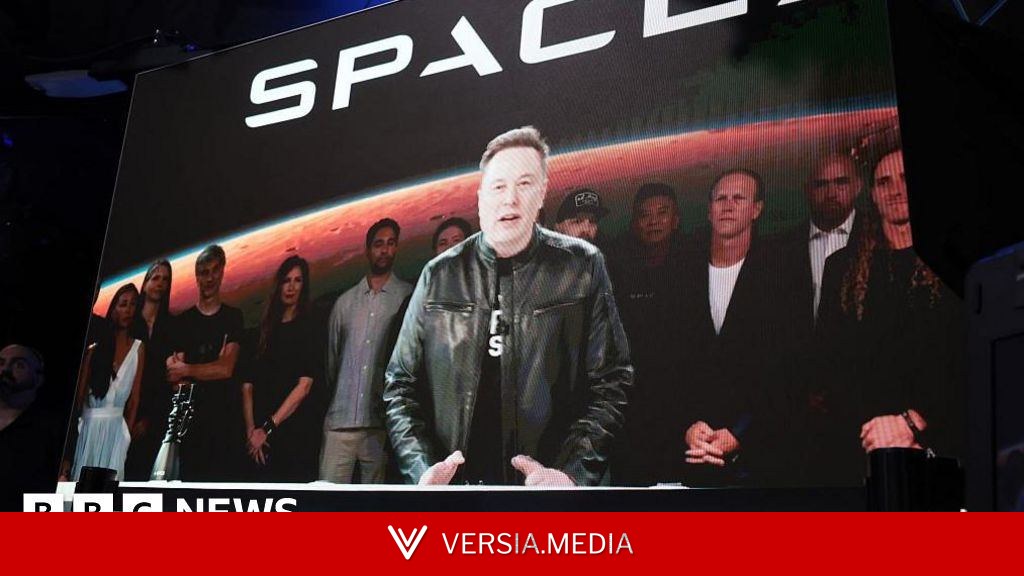
SpaceX raised $10bn (£7.5bn) more than originally anticipated when it offered shares to the public on Friday - bringing the total to $85.7bn.
Elon Musk's rocket and Artificial Intelligence (AI) company achieved the largest initial public offering (IPO) in history when it listed on New York's Nasdaq stock exchange last week.
The listing had generated $75bn from investors, which Musk informed employees would be used to finance a "significant growth phase".
However, the banks that backed the IPO activated a so-called "greenshoe" clause, enabling them to acquire an additional $10bn of SpaceX shares.
The extra $10bn raised, disclosed in a statement by SpaceX announcing the completion of the listing, would on its own rank among the largest IPOs in history.
This was made possible by a financial mechanism known as an overallotment option, more commonly called a "greenshoe" option.
When a company goes public in a highly anticipated offering, investor demand can exceed the initial supply of shares.
To prevent drastic price fluctuations and ensure a smoother launch, a greenshoe agreement allows the banks managing the listing to sell more shares than originally planned.
In SpaceX's case, demand was exceptionally strong. The underwriters, which included Goldman Sachs, Bank of America, and JPMorgan, fully exercised the option, buying an extra 83.3 million shares directly from the company to satisfy the enormous demand.
The listing also elevated Musk to trillionaire status, according to Bloomberg calculations.
And momentum behind SpaceX continued on Monday, with shares rising more than 19% to $192.
They were initially offered to investors at $135, valuing the company at $1.8tn.
Because the vast majority of Musk's wealth is directly linked to SpaceX equity, his new milestone status remains entirely dependent on the market. A sharp drop in the stock could strip him of the title just as quickly as continued gains could increase it.
Analysts have cautioned that SpaceX's sky-high valuation leaves little room for error, raising concerns about whether the loss-making company can maintain its current growth amid increasing regulatory scrutiny and intensifying competition in the commercial space sector.